Sep 16, 2026Business Solutions
Wide First, Deep Later: Structuring a Small Case Order
A small first order is a structure problem, not a hero-design problem. How to split a tight budget between order width and depth, and where width costs more.
Wholesale buyers planning a small first order of iPhone and Samsung cases often start by asking which single design to lead with. That is the wrong first question. A small first order is a structure problem, and the width of the range you carry matters more than the depth of any one design you pick.
Last updated: September 16, 2026.
Why a Small Order Is a Structure Problem
Order width is the number of distinct designs, models, and colors in a single purchase; order depth is how many units of each one you buy. A small budget forces a choice between the two, and buyers who treat the choice as obvious usually get it wrong.
The instinct is to find one hero design and go deep on it. That works when you already know what sells, which is exactly what a first order cannot tell you. A single deep bet on an untested market is a bet with no information behind it, and if the design misses, the whole budget is sitting in one box.
Width buys information. Several designs at shallow depth tell you what your customers actually reach for, and they do it with the same money. A UK retailer planning a first order of a few hundred cases across two models put the priority plainly: variety mattered more than volume, and the request was for several different designs at the lowest workable minimum per design, model, and color.
How to Split a Small Budget
The split follows one rule: spend on variety until you have data, then spend on depth.
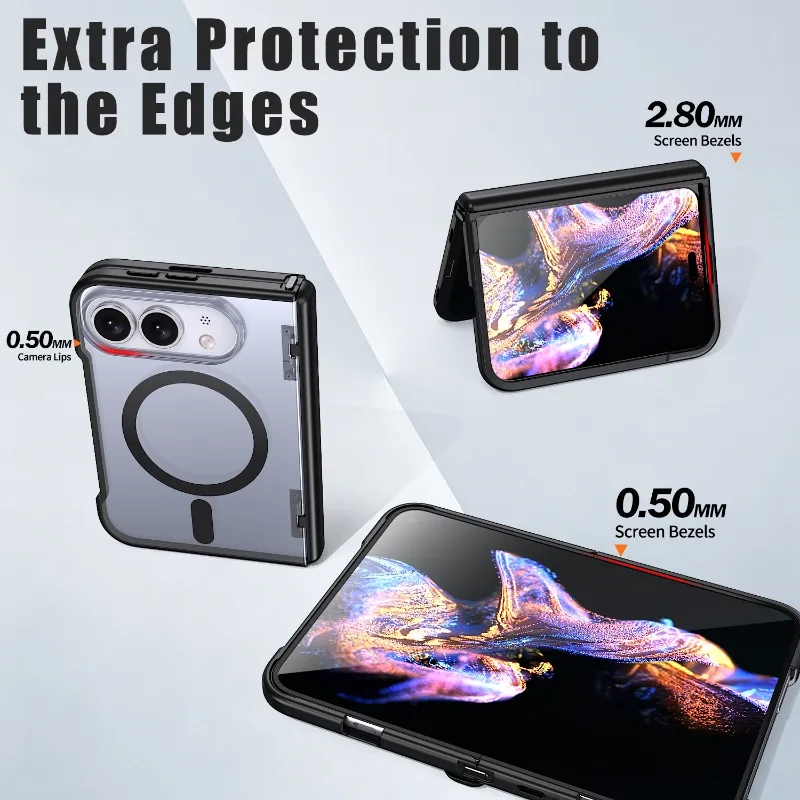
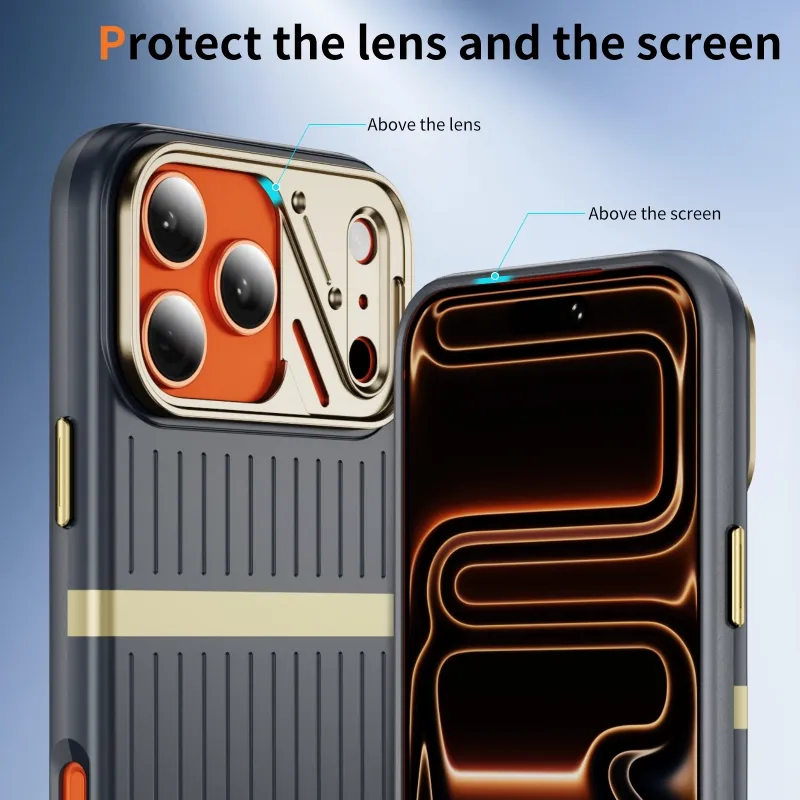
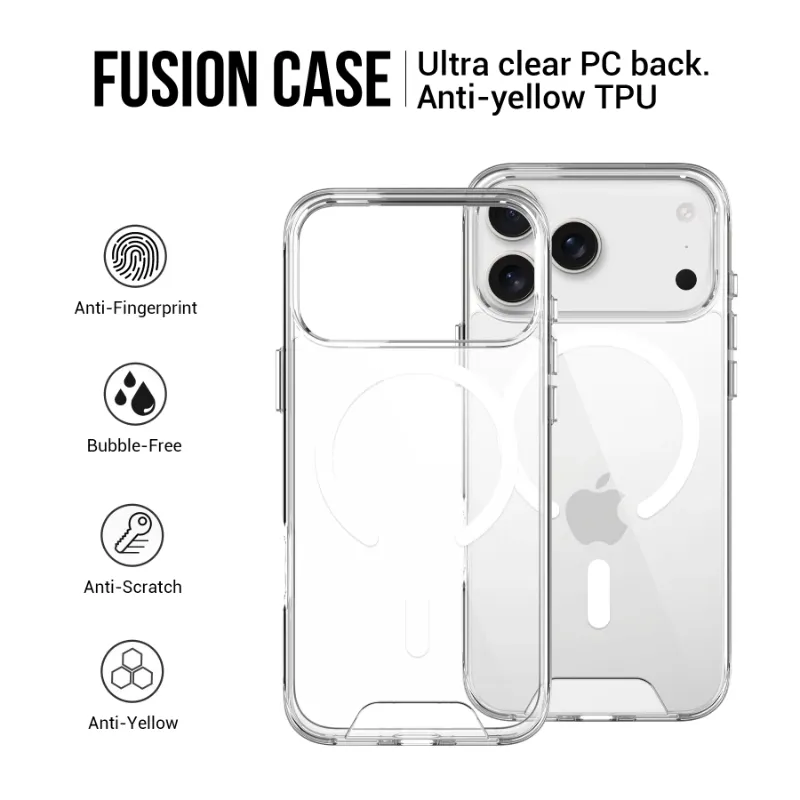
A practical shape for a first order is to pick a small number of genuinely different designs rather than several variations of the same one. Different here means different in the hand: a clear build, a matte build, and a functional build differ in feel, in how they wear, and in who buys them. Three finishes of the same silhouette do not.
Within that width, keep every position shallow. The goal of the first order is to leave your budget alive for a second order, and a second order placed with real sell-through data is worth more than a larger first bet.
Then hold the color decision separate from the design decision. On a small order, adding colors multiplies positions faster than adding designs does, because each design times each color is its own minimum. If the budget is tight, cap colors before you cut designs.
How many designs should a first order carry?
Enough to test distinct customer types, and no more than you can afford to reorder. A buyer who asked us for five to ten designs and got them ran a proper read on their market. A buyer who orders one design and hopes is running a lottery. The number itself matters less than whether the designs are actually different from each other.
What if one design clearly outperforms the rest?
Reorder that one immediately and let the slow designs sell through at full price. This is the outcome a wide order is designed to produce. The mistake is to treat the first order as finished and wait for the next season, which leaves your proven design out of stock exactly when it has proven itself.
Where a Wide Order Costs More
Width is not free, and an honest answer has to say where the cost sits.
Every design, model, and color combination is its own production position, and each position carries its own setup. A wide, shallow order therefore pays setup more times than a narrow, deep one. The second cost is freight: more positions usually means more cartons and a less efficient container fill than a single deep run of one design.
The third cost is attention. A wide order is more work to check, because every position has its own fit and finish to verify rather than one. Buyers comparing a wide small order against a narrow deep one should compare those three costs, not just the unit prices, because the unit price on a wide order will usually look worse.
The trade is still worth it when the market is unproven. What is not worth it is running wide forever; once a design proves itself, depth is cheaper per unit.
What This Means for Talking to a Factory
The structure of a first order is a question a supplier can help with, and the useful conversation is about positions rather than volume.
Tell a factory the models, the number of distinct designs you want, and the colors you are considering, and ask what the minimum is for that configuration. A supplier who answers with one number, ignoring the design and color count, has not answered the question. We have written before about what actually drives a minimum order, and the short version is that setup, tooling, and packaging drive it, which is why a wide shallow order prices differently from a narrow deep one.
The second useful ask is a recommendation. A supplier who ships to your market regularly can propose a first-order mix and let you trim it, which is faster than building the list from a catalogue. On our side we will suggest a starting mix for the models you name, then adjust it down to your budget rather than up.
Common Questions From Buyers
Should I order one design deeply or several designs shallowly?
Several shallowly, if the market is new to you. A deep order on an untested design risks the whole budget on one guess, and the first order exists to gather information. Once a design proves out, switch to depth on that design and let the others run down.
How do colors change the maths on a small order?
Every color is its own minimum, so colors multiply faster than designs do. On a small order, choose fewer colors and more designs if you must choose, because a design that fails in one color might work in another, while a color added on top of a weak design rarely rescues it.
Can I mix models in one first order?
Yes, and mixing models is usually the right call, because the model split follows your customers rather than your preference. A buyer planning a first order across two iPhone models is spreading the same risk you spread across designs. The thing to confirm is the position count, since every model-design-color line is a separate minimum.
What to Do Next
We work with small first orders regularly, and the useful starting point is the position count rather than a volume target. Tell us the models you want and roughly how many pieces you are planning, and we will send a model and design list for you to review and trim down rather than build up.
Send us your models and target first-order size and we will prepare a starting mix you can review and confirm.
Apple, iPhone, and Samsung are trademarks of their respective owners, used solely to indicate compatibility. iFunSmart is an independent manufacturer of phone cases and accessories.