Oct 8, 2026Business Solutions
Choosing a Supplier for the Long Run
A one-off order and a year of orders need different suppliers. What separates a transactional supplier from a long-term partner, and what to check first.
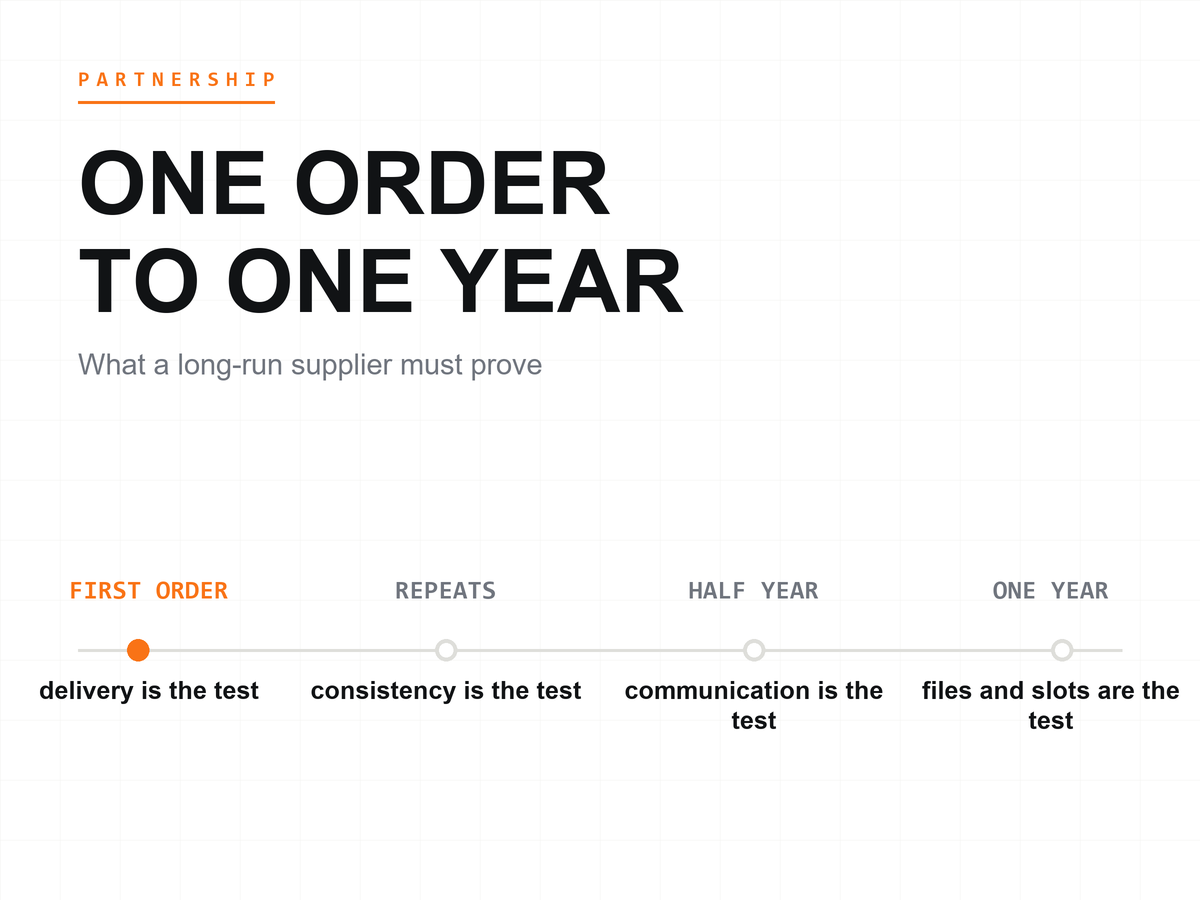
A one-off order and a year of orders do not test the same ability. The first tests delivery; the second tests how a factory plans capacity, records quality, and communicates across months. iFunSmart is a Guangzhou factory founded in 2010, and this article sets out what separates a transactional supplier from a long-term partner.
Last updated: October 8, 2026.
One Order and a Year Test Different Things
Delivery is the easy part. Any organized factory can ship one correct order: goods that match the approved sample, cartons that land in the agreed week, a claim closed without argument. A year of orders asks a harder question. Can the same result repeat month after month, on the same molds, at the same spec, with the same person answering your messages?
A long-term supplier is a factory that organizes capacity, quality records, and communication around your reorders, rather than around a single shipment. A transactional supplier organizes around the quotation in front of it, and the difference surfaces the moment volume starts to repeat. First-time selection — audits, references, samples — is a separate stage with its own checklist. This article begins where that stage ends: the first order has landed, and you are deciding whether the months ahead belong to the same factory.
Capacity That Can Absorb the Next Order
Capacity stability sounds abstract until a reorder stalls. The working question is whether the line that produced your first batch can take the next one at the same spec and the same pace. Our answer at iFunSmart rests on capacity we can point to: a Guangzhou factory running 1,000+ molds and 500K+ units a month, serving brand and wholesale buyers across 30+ countries. For a repeat buyer, what matters is not the peak figure but the depth of the mold library, because a reorder should not wait on new tooling. The mold exists, and 1:1 precision molding keeps the replacement run consistent with the batch before it.
Repeat programs also need a rhythm. A common arrangement, and a sensible one to propose to any supplier, is a stock trigger line agreed in advance and a production slot booked once that line is crossed; it turns reordering from an emergency into a calendar entry. In-house CNC keeps mold maintenance and small modifications inside the factory, so a change does not leave the building between design and tooling. If a visit is not practical before you commit, our factory video tour checklist sets out what a remote tour should show you.
Consistency a Buyer Can Audit
Batch consistency is where long programs are won or lost. Sampling inspection against an agreed acceptance level is standard industry practice, but a repeat buyer should care less about the letter of the standard than about what happens to the results. We record inspection data batch by batch, so the shipment you receive later in the year can be compared against the first, and designs are validated against a 10 ft / 3 m drop test before a model enters repeat production. Put the same question to every supplier on your list: if a later batch drifts from the first, when and how would you hear about it?
The answer is strongest when it arrives with evidence — retained records, kept reference samples, a named inspector. A supplier that keeps cross-batch records can show drift; one that inspects and discards can only insist nothing changed. Repeat programs usually hang on a mainline SKU you reorder — in our library, a magnetic case for the iPhone 18 Pro Max that ships from a registered mold — and that anchor is exactly where the records should read the same from the first carton to the last.
Communication That Carries Through the Year
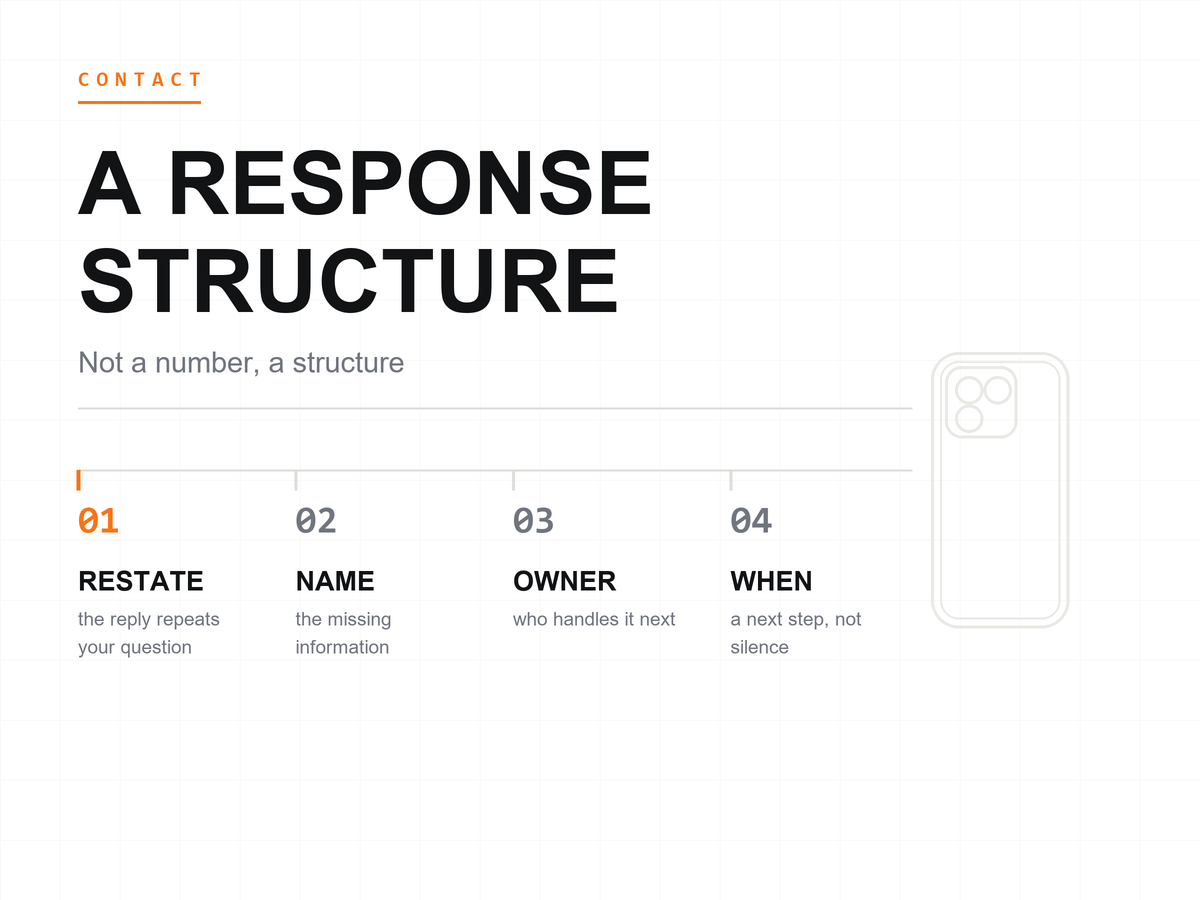
Ask who will answer your messages in the later months of the program, and whether it will be the person who quoted the first order. Continuity matters because context lives with people: the spec you argued for, the finish you rejected, the carton mark that once caused a customs query. At iFunSmart a single contact carries an account from quotation to repeat shipment, and our contact page states "Response within 24 hours."
The same channel should carry uncomfortable news. A supplier that tells you about a price move or a schedule slip before you discover it is behaving like a partner; one that lets you read about it on an invoice is not. On pricing we state our boundary plainly: we do not promise fixed pricing across a year. Material costs move and production schedules shift, so each order is priced on the conditions of its own day. What a long-term buyer is entitled to is early notice and a reason, not a frozen figure.
Who Owns the Molds and the Files
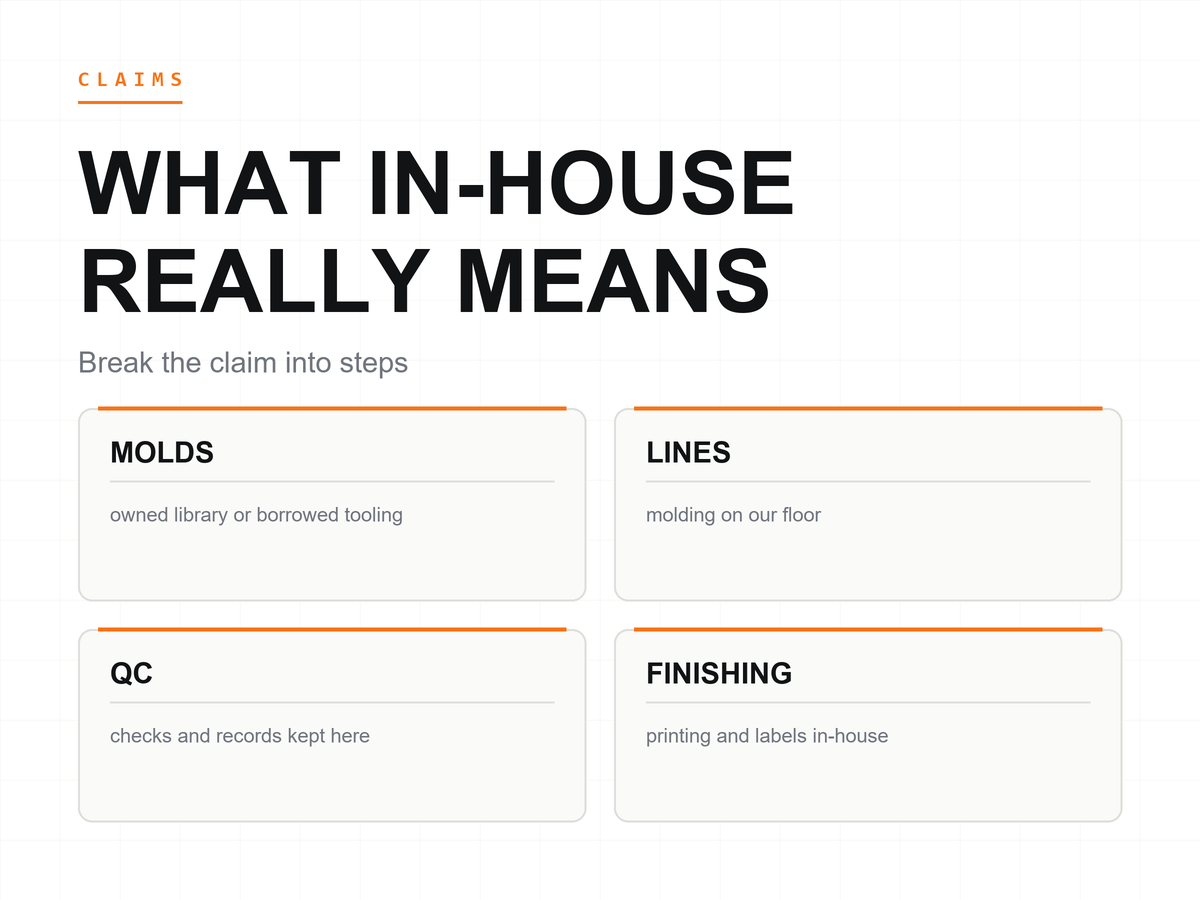
The last check is the least visible and the most decisive: if the program changes, who keeps the tooling and the design files. Ownership should follow what the order confirmation says, not what a conversation implied, and the place to settle it is before the first purchase order, not after. We treat mold and file ownership as a written term rather than a verbal understanding, and as a one-stop OEM/ODM manufacturer we keep the mold, the case production, and the labeling under one roof — we print and apply labels in-house — so the answer to that question has one addressee.
The stakes rise where tooling is complex. a Duo SKU for repeat orders — a hinge-protection case for the iPhone Duo — carries more mold detail than a flat back case, and a buyer who funds tooling of that depth should know precisely whose asset it is and where the design files sit.
Common Questions From Buyers
Does a Long-Term Partner Cost More Than a Transactional Supplier?
Not necessarily on the unit price, and that is the wrong comparison anyway. The difference shows in how a change is handled: a schedule conflict, a material move, a spec you want adjusted mid-season. A partner absorbs those events inside an agreed process; a transactional supplier reprices them. Expect pricing to follow material costs and scheduling on each order, and judge a supplier by how early and how clearly those changes reach you.
How Many Orders Make a Partnership?
No count settles it. A short run of consecutive orders with records that match tells you more than years of quiet goodwill. Watch the trend instead: whether later batches read like the first, whether problems were raised by the factory or by you, and whether the same question needs asking twice. Consistency is the credential, not tenure.
What Should Be in Writing Before the Volume Grows?
Put these terms on paper first: who owns the molds and the design files, how price and schedule changes will be notified, and how batch quality records are shared. None of them costs anything to agree early, and each becomes expensive to negotiate once the volume is committed and the tooling exists.
What to Do Next
Take one SKU from your current range that could carry a year of orders, and pull its history: how the batches varied, what you had to chase, and what surprised you. Then put the checks in this article to the factory on your shortlist — capacity behind a reorder, cross-batch records, a named contact, notification of changes, and tooling ownership — and compare answers rather than quotations.
Send iFunSmart your model list and reorder plan, and we will show you how a year of orders would run.
Apple and iPhone are trademarks of Apple Inc. iFunSmart is an independent manufacturer of phone cases and accessories and is not affiliated with, authorized, sponsored, or endorsed by Apple.