Business Solutions
Rugged Phone Cases: Armor Builds for Field Teams
Rugged phone cases for field teams and outdoor retail: how the Armor range is built, which build suits which buyer, and how to order — MOQ 50, bulk from 500, free samples for distributors.
BLUF
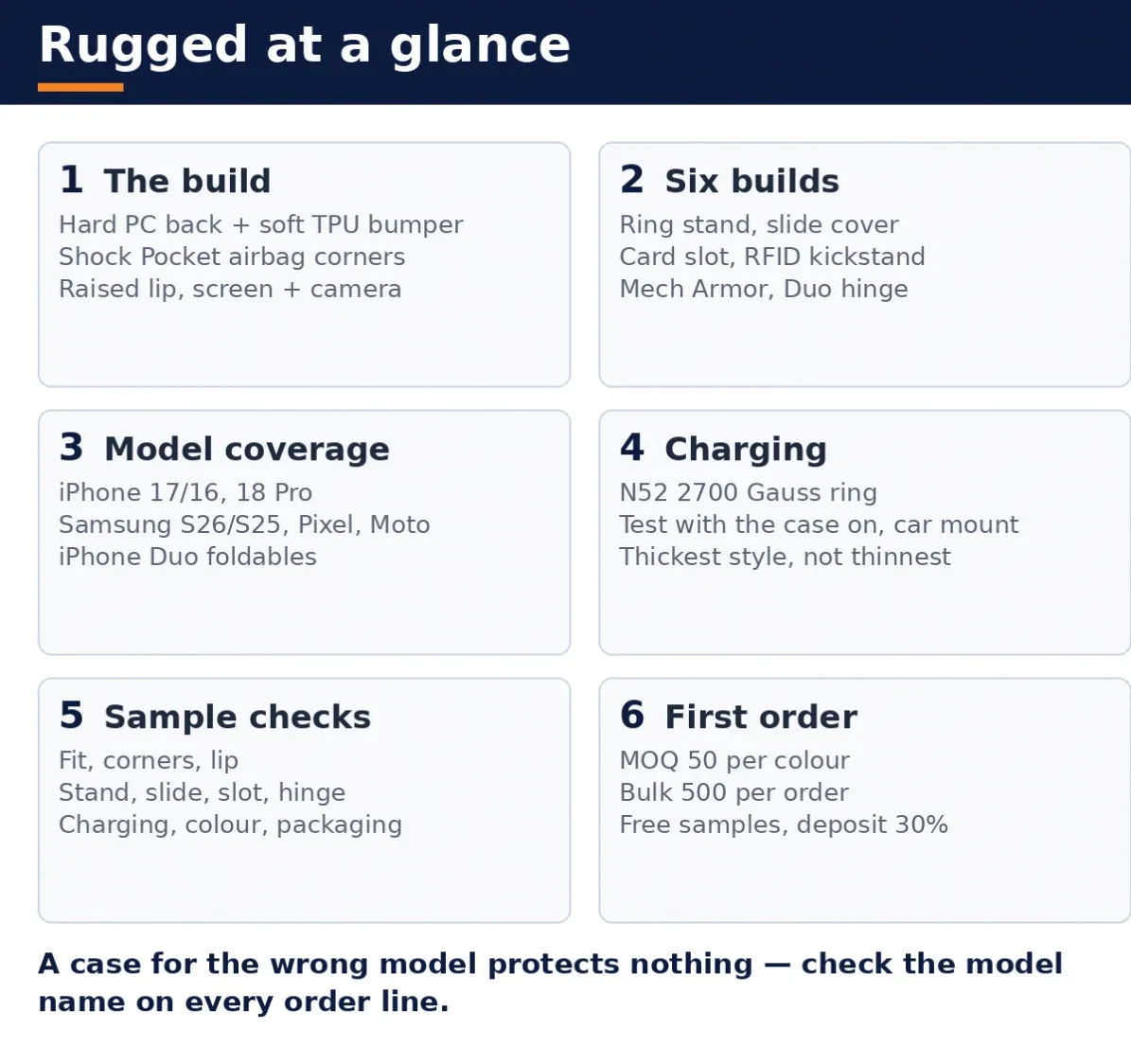
A rugged case is a dual-layer Armor build: a hard PC back, a soft TPU bumper, airbag corners and a raised lip, made for phones that work outdoors. Our Rugged Armor range covers iPhone, Samsung, Pixel and Moto. Check the model, the stand and the charging first.
Short answer
A rugged phone case is built to survive the day a normal case does not: the phone in a jacket pocket on a building site, in a van door pocket, in a tool bag, on a warehouse shelf, on a trail. Our Rugged Armor range is a dual-layer build — a hard PC back and a soft TPU bumper — with reinforced corners that act as airbags, a raised lip around the screen and the camera, and, on most styles, a ring stand, a slide camera cover or a card slot built in. The range holds 76 products across iPhone, Samsung, Google Pixel and Moto, including foldable iPhone Duo cases with full hinge protection. Our most common MOQ is 50 pcs per colour per model, bulk distributor orders start at 500 pcs per order in total, and samples are free for distributors. A rugged case is not a fashion case with a thicker bumper: the protection lives in the build, the stand and the camera cover are part of the build, and the sample check has to cover all three before the bulk order.
1. What a rugged case is — and what it is not
A rugged case is a case built for a phone that works. The phone belongs to a field engineer, a delivery driver, a warehouse picker, a site manager, a hiker, a cyclist — someone whose phone leaves the desk, goes into a pocket with keys, gets set down on concrete, gets knocked off a tailgate. A normal case protects a phone against a drop from a desk. A rugged case protects a phone against a working day.
The build is what makes it rugged, and the build is the same idea across our whole Armor range: two layers. The back is hard PC — rigid, so it spreads the force of a knock across the case instead of letting it concentrate on one spot. The bumper is soft TPU — flexible, so it absorbs the shock instead of passing it to the phone. The corners are reinforced, and on most Armor styles they carry air pockets — Shock Pocket corners — that act as airbags: they compress on impact and spring back. The screen and the camera sit behind a raised lip, so when the phone lands face down on a flat surface the lip touches first, not the glass and not the lenses. That is the whole protection idea, and it is worth stating plainly because it decides what you are buying: you are buying a build, not a look.
What it is not: it is not a thick case. Thickness alone protects nothing — a thick case with a single hard layer passes the shock straight through to the phone, and a thick case with a soft layer and no rigid back bends and lets the phone take the knock. A rugged case is thick because it has two layers doing two different jobs, and the thickness is the price of the build, not the build itself. A buyer who orders on thickness alone will get a heavy case that protects badly; a buyer who orders on the build — hard back, soft bumper, airbag corners, raised lip — will get a case that protects well at whatever weight the build needs.
It is also not a case that makes a phone unbreakable. No case does that. A rugged case lowers the chance that a normal working-day knock breaks the phone, and it does so by absorbing the shock that would otherwise reach the glass. The product pages in our range use "military-grade" wording, and the honest way to read that wording is as a claim about the test the product was put through, not as a promise about your customer's phone. Ask us for the drop-test report for the model you order, in writing, before you commit — the report should name the model, the test and the pass result, and a supplier who cannot show it is a supplier whose wording you should not repeat to your customer.
And it is not a case for every buyer. A rugged case is heavier and bulkier than a slim case, and it hides the phone's own design. A customer who buys on looks will not buy a rugged case, and a shop that sells on looks should not stock one as its first case. A rugged case sells where the phone works: field teams, outdoor retail, logistics, construction supply, worksite shops. Stock it for that buyer, and it sells; stock it for a fashion buyer, and it sits.
2. How the Armor range is built
Our Rugged Armor range is one category on the site — 76 products, seven pages — and every product in it follows the same build logic, with the extras changing by style. The build has four parts, and each one is worth checking on the sample.
First, the back: hard PC. The back is the rigid layer. It is the part that spreads a knock, keeps the case from bending, and carries the texture — carbon-fibre texture on some styles, a triangle texture on the Duo hinge-protection case, a matte finish on the magnetic Armor styles. A rigid back also carries the magnetic ring on the MagSafe styles, so the ring sits flat and does not flex when the phone goes on a charger or a mount.
Second, the bumper: soft TPU. The bumper is the flexible layer. It wraps the edges, covers the buttons, and absorbs the shock the back spreads. It is also the part that makes the case easy to put on and take off — a rigid case with no soft bumper is hard to fit, and a soft case with no rigid back is hard to keep square. The two layers work together, and a sample that feels right in the hand is usually a sample where the two layers fit together tightly, with no gap between them and no soft edge lifting away from the hard back.
Third, the corners: airbag pockets. Most Armor styles carry reinforced corners with air pockets — Shock Pocket corners — that compress on impact. The corners are where a phone lands first, so they are where the protection matters most. On the sample, press each corner: it should give slightly and spring back, not stay dented and not feel hollow. A corner that stays dented has a pocket that has collapsed, and a corner that feels hollow has no pocket at all.
Fourth, the lip: raised edges around the screen and the camera. The lip is the part that keeps the glass off a flat surface. On the sample, set the phone face down on a table and look from the side: the lip should touch the table, not the screen. Do the same for the camera: the lip around the lenses should stand proud of the lenses, so the lenses never touch the surface. The lip is the simplest check in this guide and the one buyers skip most often — and it is the check that decides whether a face-down drop scratches the screen.
Those four parts are the build. Everything else on an Armor case — the ring stand, the slide camera cover, the card slot, the hinge protection — is an extra built on top of the build, and the next section takes them one by one.
3. The six Armor builds — which buyer each one suits
The Armor range is not one case in 76 colours. It is six builds, and each build suits a different buyer. Order the build for the buyer, not the colour for the shelf.
Ring-stand Armor — the stand that is always there. This is the most common Armor build in the range: a dual-layer case with a 360-degree rotating ring stand on the back. The ring props the phone up to watch video or take a video call, folds flat when it is not needed, and doubles as a grip while the phone is held one-handed. It suits the field-team buyer who props the phone up on a dashboard or a site table, and the outdoor buyer who watches a route or a video on the trail. Our Heavy Duty Armor styles carry this build for iPhone and Samsung, with a carbon-fibre texture back and a ring that folds to 120 degrees; the Mech Armor styles add a zinc alloy camera stand, so the stand is metal, not plastic. Check the ring on the sample: rotate it through its full turn, feel for catching or looseness, and check that it locks where it is put and folds flat. A ring that spins freely will not hold the phone upright, and a ring that does not fold flat will catch in a pocket.
Slide-camera-cover Armor — the lens cover that slides. This build adds a sliding cover over the camera lenses: slide it open to take a photo, slide it shut to protect the lenses. It suits the buyer whose phone lives in a pocket with keys or in a tool bag — the lenses are the most exposed glass on the phone, and a slide cover protects them without a separate lens protector. Our MagSafe Armor slide-camera-cover style carries this build for Samsung and iPhone, with a Shock Pocket airbag build and a raised lip. Check the slide on the sample: slide it open and shut twenty times, and check that it sits flush when closed and stays open when opened. A slide cover that drifts half-open is a cover that leaves the lenses exposed, and a slide cover that sticks is a cover the customer stops using.
Card-slot Armor — the wallet that survives a worksite. This build adds a hidden sliding card slot to the dual-layer case, holding two to four cards behind a slide cover. It suits the buyer who wants the phone and the cards in one pocket — a driver, a site worker, a delivery courier — and who does not want a separate wallet. Our Hidden Sliding Card Slot Armor Wallet case carries this build for iPhone and Samsung. Check the slot on the sample: load it with the number of cards your customer carries, slide it open and shut, and check that the cards stay put when the phone is shaken. A slot that drops a card in a pocket is a slot that loses a bank card, and that is a customer who does not buy a second one.
RFID kickstand Armor — the card case with a metal hinge. This build pairs a card holder with a metal hinge kickstand and RFID shielding, for the buyer who carries cards and props the phone up on a desk. The kickstand is metal, not plastic, so it holds its angle under the weight of the phone. Our RFID Card Holder case carries this build for Samsung and iPhone, with a hard PC and soft TPU build plus a metal alloy frame. Check the hinge on the sample: open it and close it twenty times, and check that it holds the phone at the angle it is set to. A hinge that drifts is a stand that fails in the customer's first week.
Mech Armor — the metal-stand build. This build is the heavy-duty end of the range: hard PC and soft TPU plus a metal alloy frame, with a zinc alloy camera stand and a carbon-fibre texture back. It suits the buyer who wants the toughest case in the range and does not mind the weight — a field-team lead, an outdoor retailer selling to hikers and builders, a buyer who has broken a plastic stand before and will not buy another one. Our Mech Armor styles carry this build for Samsung and iPhone, including the S25 Ultra. Check the metal stand on the sample the way you would check any metal part: open it, close it, feel for sharp edges, and check that the metal does not scratch the case it folds against. A metal stand with a sharp edge is a stand that cuts a pocket.
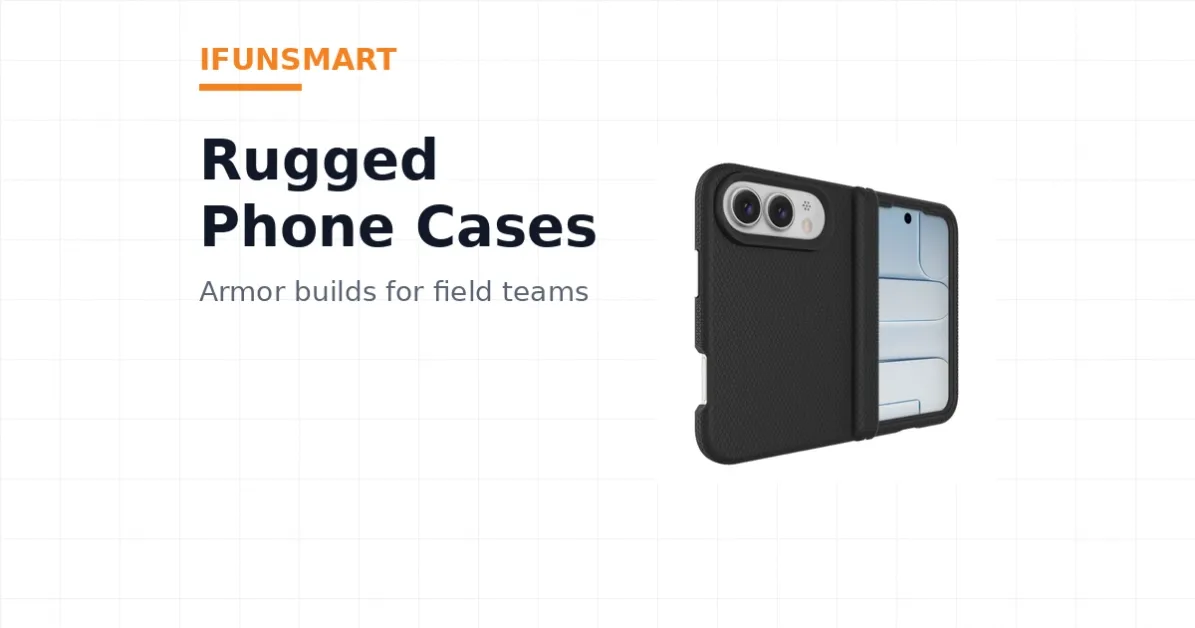
Duo hinge-protection Armor — the foldable build. This build is for the iPhone Duo, and it is the only Armor build that has to protect a hinge as well as a phone. The Duo case covers the phone and the hinge: a rigid PC back with a triangle texture and a shockproof TPU bumper, with full hinge protection so the fold is covered when the phone is open and when it is closed. It suits the buyer who sells foldables to field teams — the phone that opens into a tablet on a site table and folds into a pocket on the way there. Check the hinge on the sample: open the phone and close it twenty times, and check that the case does not pinch the hinge, does not gap when the phone is half-open, and does not lift at the corners when the phone is closed. A hinge case that gaps is a case that lets dust into the hinge, and dust in a hinge is a repair, not a return.
Six builds, one protection idea. The build you order is the buyer you serve — and a range that mixes two or three builds sells better than a range that stocks one build in six colours, because the field-team buyer, the outdoor buyer and the foldable buyer are three different customers.
4. Model coverage: who the Armor range covers
Model coverage is the first thing to get right with a rugged case, because a rugged case is cut for one model and a case for the wrong model protects nothing.
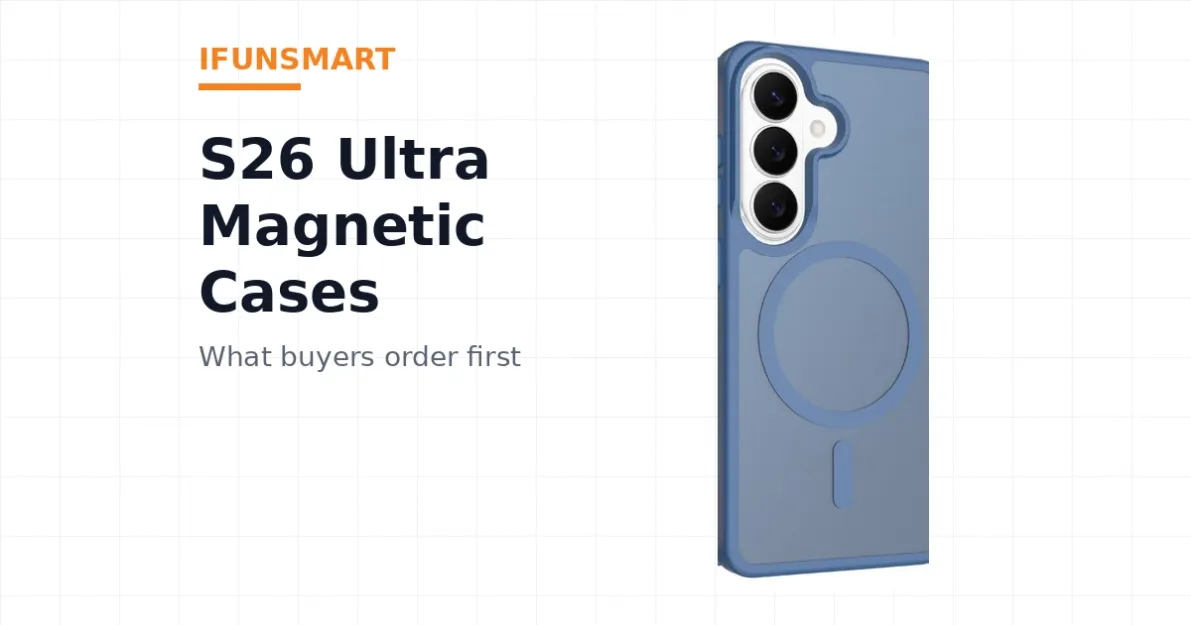
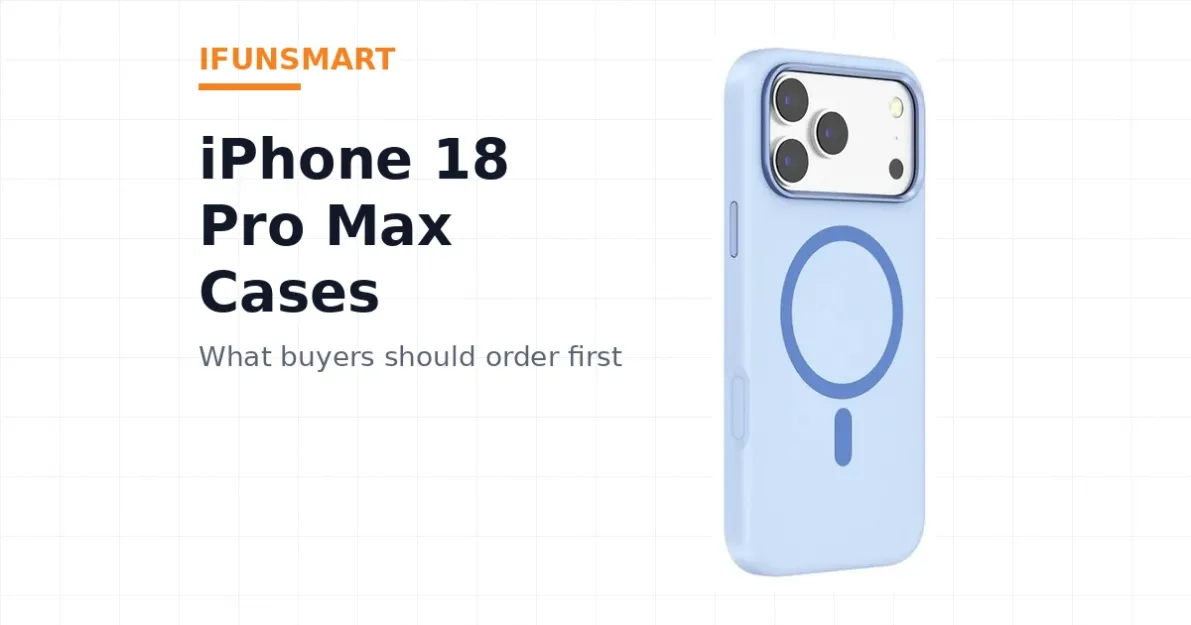
The Armor range covers iPhone, Samsung, Google Pixel and Moto. On the iPhone side it covers the iPhone 17 and 16 ranges, the iPhone 15 range on the clear airbag style, the iPhone 18 Pro on the ring-stand slide-cover style, the iPhone 17 Pro Max on The Explorer rugged style, and the iPhone 18 Pro Max on the Premium Armor style with metal buttons. On the Samsung side it covers the S26 and S25 ranges, including the S25 Ultra on the Mech Armor style. On the Pixel side it covers the Pixel 10 and 9 ranges. On the Moto side it covers the Moto G range. The X-Type frameless aluminium case and the carbon-fibre texture case cover the iPhone 12 to 17 ranges. The foldable builds — hinge protection, MagSafe hinge protection, rugged mid-axis fold, Phantom Shield and the Golden Armor pen-slot fold — cover the iPhone Duo.
Two coverage notes for the buyer planning a range. First, the Armor range is widest on the newest models: iPhone 17 and Samsung S26 have the most Armor styles, because those are the phones field teams are buying now. If your market buys the newest phone, the Armor range is ready; if your market buys an older model, ask us in writing which Armor styles cover that model before you promise anything to a customer — the range is wide, but it is not universal, and a model that is not listed is a model that needs a new tooling question, not a catalogue guess.
Second, the foldable coverage is Duo-only. There is no Armor case for any other foldable on our site, and a Duo case will not fit another foldable even if it looks similar. Put the full model name, including the year, on every order line, and check it on the sample before the bulk order: fit the case to the phone, fit the phone to the case, and confirm that all three belong together.
5. MagSafe and wireless charging with a thick Armor case
A rugged case is a thick case, and a thick case is the hardest case to charge through — so the charging check matters more here than on any other case in our range.
Our magnetic cases use N52 magnets rated at 2700 Gauss, and most Armor styles carry a magnetic ring for chargers and mounts. The ring has to be strong enough to hold the phone through the thickness of the case, and the only way to know is to test it on the sample with the case on, not with the case off. Put the phone on a magnetic charger with the Armor case fitted, and check that it charges and does not heat beyond what the phone does without a case. Then put it on a car mount and drive a turn: a magnet that holds on a desk and fails on a bumpy road is a magnet that fails in the customer's car, and a field-team phone spends more time in a car mount than on a desk.
Check the ring alignment too. The magnetic ring in the case must sit exactly over the phone's own charging coil, or charging slows and the phone heats. A misaligned ring is invisible until the phone is on the charger, which is why the sample check must include a real charging test with the exact Armor style you order — not one style as a stand-in for the rest. A ring-stand case is thicker than a plain magnetic case, a card-slot case is thicker still, and a metal-stand case is thickest of all: check the charging with the thickest style you order, not only with the thinnest.
One more check, specific to a rugged case: the mount. A field-team phone lives on a dashboard mount, a bike mount or a belt clip, and the case has to hold the phone in the mount through a turn and a bump. Check the sample in the mount your customer uses, with the case on and the stand folded flat. A ring that does not fold flat will catch on the mount, and a case that does not sit square in the mount will work loose on the road. The mount test is a five-minute check that saves a returned order.
6. What to check on the sample before the bulk order
A sample is not a souvenir. It is the only proof that the case fits this phone, the corners absorb a knock, the stand holds, and the phone still charges. Run these checks on every Armor style before you approve the bulk order.
Fit, first. The case must snap on without forcing, sit flush all the way round, and come off without a tool. Check the camera cutout: the case must clear the lenses exactly, with no pressure on the lens rings and no gap that lets dust in. Check the buttons — volume, power and the camera control — for a crisp press with no mush and no missed press. Check the ports: the charging port must take the cable fully, with no gap and no wobble. A case that fails any one of these on the sample will fail on every unit in the bulk order, because the mould is the same.
Corners and lip, second. Press each corner: it should give slightly and spring back. Set the phone face down on a table and look from the side: the lip should touch the table, not the screen. Do the same for the camera: the lip around the lenses should stand proud of the lenses. A corner that stays dented and a lip that does not stand proud are the two fastest ways to tell a rugged case from a thick case.
Stand, slide and slot, third. Open and close each stand twenty times. The rotating ring must turn smoothly and lock where it is put; the slide camera cover must sit flush when closed and stay open when opened; the card slot must hold the cards when the phone is shaken; the metal hinge must hold its angle. A moving part that works on the first open and fails on the twentieth is a moving part that fails in the customer's first week.
Hinge, fourth — Duo only. Open the phone and close it twenty times. The case must not pinch the hinge, must not gap when the phone is half-open, and must not lift at the corners when the phone is closed. Check the hinge area for dust after the test: a case that lets dust into the hinge is a case that shortens the phone's life.
Charging, fifth. Charge the phone with the case on, on a magnetic charger and on a car mount. Check the rate, check the heat, and check that the phone stays on the mount through a turn. Check the thickest style you order, not only the thinnest.
Colour and finish, sixth. Check each colour against the colour you ordered, in daylight, not under a warehouse light. A colour that looks right under fluorescent light and wrong in daylight is a colour that gets returned. Check the carbon-fibre texture and the triangle texture under the same light: a texture that reads as a pattern in the product photo and as a smudge in daylight is a texture that disappoints.
Packaging, seventh. Check the box the sample arrives in. Neutral packaging is usually in stock and a logo sticker can be added to it; custom packaging is available, but it has its own MOQ — ask us per order. A rugged case needs a box that holds the case without pressing the stand or the slide cover, and a case with a card slot needs the slot protected so it does not open in transit. Confirm the packaging on the same sample as the case, so one approval covers both.
If the sample fails any check, say so before the bulk order. A failed sample costs a sample. A failed bulk order costs a customer.
7. How a first rugged order works
A first order for a rugged case follows the same five steps as any first order from a factory, with one extra line on the enquiry: the build.
First, enquire. Send us a message on WhatsApp with the build — ring-stand, slide-cover, card-slot, RFID kickstand, Mech Armor or Duo hinge protection — the models, the colours, the quantity of each build, and the date you need the cases in hand. A complete enquiry gets a faster answer than a one-line message: build, model, colours, quantities, logo or no logo, packaging, and the date you need them. Tell us the date you need them, not the date you would like them — the factory plans on the date you need. Ask in the same message for the drop-test report for the model you order, and ask us to confirm the build, the models and the colours in writing before you pay anything.
Second, take a sample. Samples are free for distributors. Take one of each Armor style you plan to order, and run the checks in section 6 on every style. Check the logo position too if you order a custom logo — a logo on a rugged case sits on a textured back or a ring stand, and the printable area is confirmed per model from the factory drawing, never guessed, so confirm which surface carries the logo before you approve the artwork. A 100-pc trial order can already carry your logo by laser engraving.
Third, plan the quantities. Our most common MOQ is 50 pcs per colour per model, and MOQ varies by product, so ask us per style before you plan the quantities. Bulk distributor orders start at 500 pcs per order in total, not per model, with free samples for distributors — so a first rugged order can mix two or three builds and still count as one bulk order. A practical first order is two builds in two or three colours each, or one build in three colours if you are testing the rugged idea in a new market. Mix the builds, not just the colours: a field-team buyer and an outdoor buyer are two different customers, and one build does not serve both.
Fourth, confirm the date in writing. Do not promise a delivery date to your customer until we have confirmed the production window in writing. We do not quote sample days or production days in this guide because the window depends on the styles, the quantities and the current production schedule — ask us for the current window for your order, in writing, and plan the launch around it, not the other way round. A rugged range that arrives after the outdoor season starts is a range that misses the sale.
Fifth, payment. Payment is T/T or Western Union. New customers may pay a 30% deposit first. When the goods are ready, we send photos and video and the packing list, you pay the balance, and then the goods ship. That order — deposit, proof, balance, ship — is the same for a rugged order as for any first order, and it is what protects both sides.
FAQs
What is the MOQ for rugged phone cases?
Our most common MOQ is 50 pcs per colour per model, and MOQ varies by product, so ask us per style before you plan the quantities. Bulk distributor orders start at 500 pcs per order in total, not per model, with free samples for distributors. A first rugged order can mix two or three Armor builds and still count as one bulk order — ask us in writing how the mix counts toward the MOQ for your order.
Which rugged iPhone case should I stock first?
Stock the build your buyer uses, not the colour you like. For field teams, start with the ring-stand Armor: the 360-degree ring props the phone up on a dashboard or a site table and doubles as a grip. For outdoor retail, add the slide-camera-cover Armor: the sliding cover protects the lenses in a pocket with keys. For foldable buyers, the Duo hinge-protection Armor is the only Armor build that covers the hinge. Tell us your buyer and we will tell you which build to stock first, in writing.
Do rugged Samsung cases work with MagSafe chargers?
Yes, if the case is fitted and the charging is checked on the sample. Our magnetic cases use N52 magnets rated at 2700 Gauss, and most Armor styles for Samsung carry a magnetic ring for chargers and mounts. Check the charging with the exact style you order on a magnetic charger and on a car mount — a ring-stand case and a card-slot case are thicker than a plain magnetic case, and a magnet that holds on a desk and fails on a bumpy road is a magnet that fails in the customer's car.
Can I put my logo on a rugged phone case?
Yes. Every Armor product page in our range lists logo customisation and custom packaging as supported. A 100-pc trial order can already carry your logo by laser engraving, which is permanent — silk-screen fades and needs a higher MOQ. The printable area is confirmed per model from the factory drawing, never guessed, and a logo on a textured back or a ring stand needs its position confirmed before you approve the artwork. Ask us in writing which surface carries the logo for the build you order.
How much do rugged phone cases cost wholesale?
We do not publish a price list, because the price depends on the build, the model, the quantity and the logo. What a quote should show, in writing, is the unit price per model and colour, the MOQ per style, the sample terms, the payment terms and the production window. Send us a message on WhatsApp with the build, the models, the colours and the quantities, and we will quote it. Payment is T/T or Western Union, with a 30% deposit for new customers, and we send photos, video and the packing list before the balance is due.
About iFunSmart
iFunSmart has made phone cases in Guangzhou since 2010, with 1,000+ designs, 500+ models and 500K+ pcs a month, shipped to 30+ countries. We hold moulds for iPhone, Samsung, Xiaomi, Google and more, and we cut new tooling to order for distributors and brands. Our most common MOQ is 50 pcs per colour per model; bulk distributor orders start at 500 pcs per order in total, with free samples for distributors. Payment is T/T or Western Union; new customers may pay a 30% deposit first, and we send photos, video and a packing list before the balance is due. Ask us for the current Rugged Armor range in writing — if a build covers your model, we will tell you, and if it does not, we will tell you that too.
WhatsApp us: +86 13632248734 — we reply within 24 hours.
Contact us: https://www.ifunsmart.com/contact
Read more
- Which Phone Models Do We Hold Moulds For? — https://www.ifunsmart.com/posts/phone-case-model-mould-coverage
- MagSafe Cases in 2026: N52 vs N45, 2700 Gauss, and How to Test the Magnet Before You Order — https://www.ifunsmart.com/posts/magsafe-cases-2026-n52-2700-gauss-test-magnet
- Phone Case Sampling: How to Evaluate a Sample Before a Bulk Order — https://www.ifunsmart.com/posts/phone-case-sampling-how-to-evaluate-a-sample-before-bulk
- Phone Case MOQ Explained: What 50 Pcs per Colour Really Means for Your First Order — https://www.ifunsmart.com/posts/phone-case-moq-50-per-colour-first-order
- Phone Case RFQ: What to Send a Factory in Your First Enquiry — https://www.ifunsmart.com/posts/phone-case-rfq-what-to-send-a-factory-in-your-first-enquiry
- Bulk Phone Case Orders: How Volume Changes the Order — https://www.ifunsmart.com/posts/bulk-phone-case-orders-volume-guide
- Gulf Heat Phone Cases: What Middle East Buyers Should Order — https://www.ifunsmart.com/posts/phone-cases-middle-east-heat-guide
- Slim Phone Cases: Thin TPU vs Thin PC vs Aramid — https://www.ifunsmart.com/posts/slim-phone-cases-thin-tpu-vs-thin-pc-vs-aramid